 Online (Double Conversion)
 Kehua Tech
 BPC Energy
 Lever Power Solutions
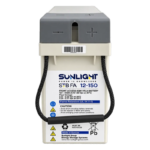 Industrial Batteries
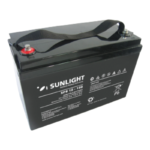 GEL BATTERY
 Automotive Battery
 Sunlight
 JC Battery
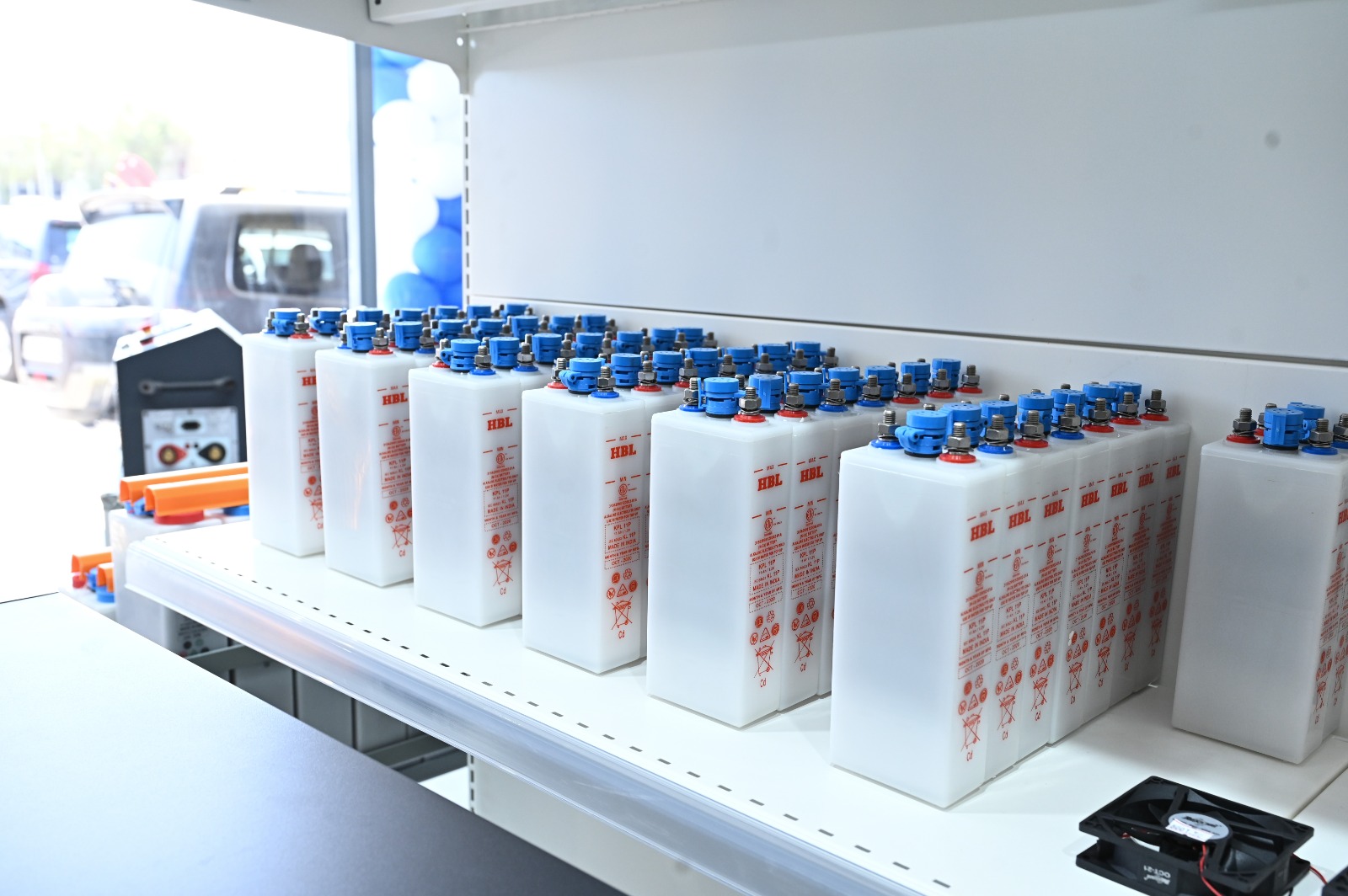
 HBL
HBL
 LIVOLTEK
 Global Batteries
 Solar Inverters
 Hybrid
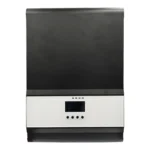 off Grid
 Charge Controllers
 PWM
PWM
 MPPT
MPPT
 Hitek
Hitek
 Euronet
 Lumiax
 Morning Star
 Livoltek
 Power & Protection
 Battery Chargers
 Surge Protection & AVR
 Extended Run-time Packs
 Network & Monitoring Cards
 Mounting & Enclosures
 DC Load Banks
 Hillstone-UK
 HEBEI
HEBEI
 HEBEI
HEBEI
 Battery Chargers
 LEVER-ITALY
 AC UPS
 EATON
EATON




Three battery types dominate backup and solar work, and they aren't interchangeable. Choose the wrong one and you either pay for capability you'll never use, or replace a cheap battery three times in the life of one good one.
Key points
- AGM suits systems that sit on standby and discharge only occasionally
- Gel handles daily cycling and heat better, but can't deliver current as hard
- Lithium costs more upfront but usually costs less per cycle over its life
AGM
Absorbent glass mat batteries hold the electrolyte in a fibreglass separator rather than as free liquid. They're sealed, maintenance-free, and deliver high currents well, which makes them the standard choice for UPS systems.
They're the cheapest of the three to buy. They tolerate partial discharge reasonably, but don't like being run flat repeatedly. In a well-ventilated indoor room, expect around three to five years; less if the room runs hot.
Gel
Gel batteries suspend the electrolyte in silica gel. They handle deep discharge better than AGM and cope with heat more gracefully, which matters a great deal in Kuwait.
The trade-off is current. Gel has higher internal resistance, so it can't deliver current as hard as AGM. It's also more sensitive to charging voltage — a charger set for AGM or flooded batteries will shorten a gel battery's life quickly.
Lithium (LiFePO4)
Lithium iron phosphate works differently. A lead-acid bank should generally be discharged only to around 50% to protect its life, while lithium can be used to 80–90% routinely. That means a 100Ah lithium battery delivers roughly as much usable energy as a 200Ah lead-acid battery, at a fraction of the weight and space.
Cycle life is where it really pulls ahead. A good LiFePO4 pack is typically rated for several thousand cycles, against a few hundred to around a thousand for lead-acid, depending on depth of discharge. On a system that cycles every day, one lithium pack can outlast several lead-acid replacements.
The costs are the upfront price and the complexity. Lithium relies on a battery management system (BMS), and the BMS must communicate correctly with your inverter. Get that wrong and you'll see nuisance shutdowns or incorrect charging. This is not a DIY installation.
Side by side
| AGM | Gel | Lithium (LiFePO4) | |
|---|---|---|---|
| Upfront cost | Lowest | Medium | Highest |
| Usable capacity | About 50% | About 50–60% | About 80–90% |
| Cycle life | Lowest | Medium | Highest by far |
| High current | Excellent | Moderate | Excellent |
| Heat tolerance | Moderate | Good | Good, with ventilation |
| Weight | Heavy | Heavy | Light |
| Installation | Simple | Needs correct charger settings | Needs BMS–inverter setup |
Exact figures vary by manufacturer and by how the battery is used, so always check the datasheet for the specific model.
The short version
If it sits on float and discharges rarely, choose AGM. If it cycles daily in a hot location on a modest budget, choose gel. If it cycles daily and you plan to keep the system for many years, choose lithium — the invoice is higher, but the cost per cycle is usually lower.
Not sure which suits your system? WarbaElectric stocks AGM, gel and front-terminal batteries alongside 51.2V lithium packs. Tell us what you're powering and our engineers will size the bank for your actual load.