 Online (Double Conversion)
 Kehua Tech
 BPC Energy
 Lever Power Solutions
 Industrial Batteries
 GEL BATTERY
 Automotive Battery
 Sunlight
 JC Battery
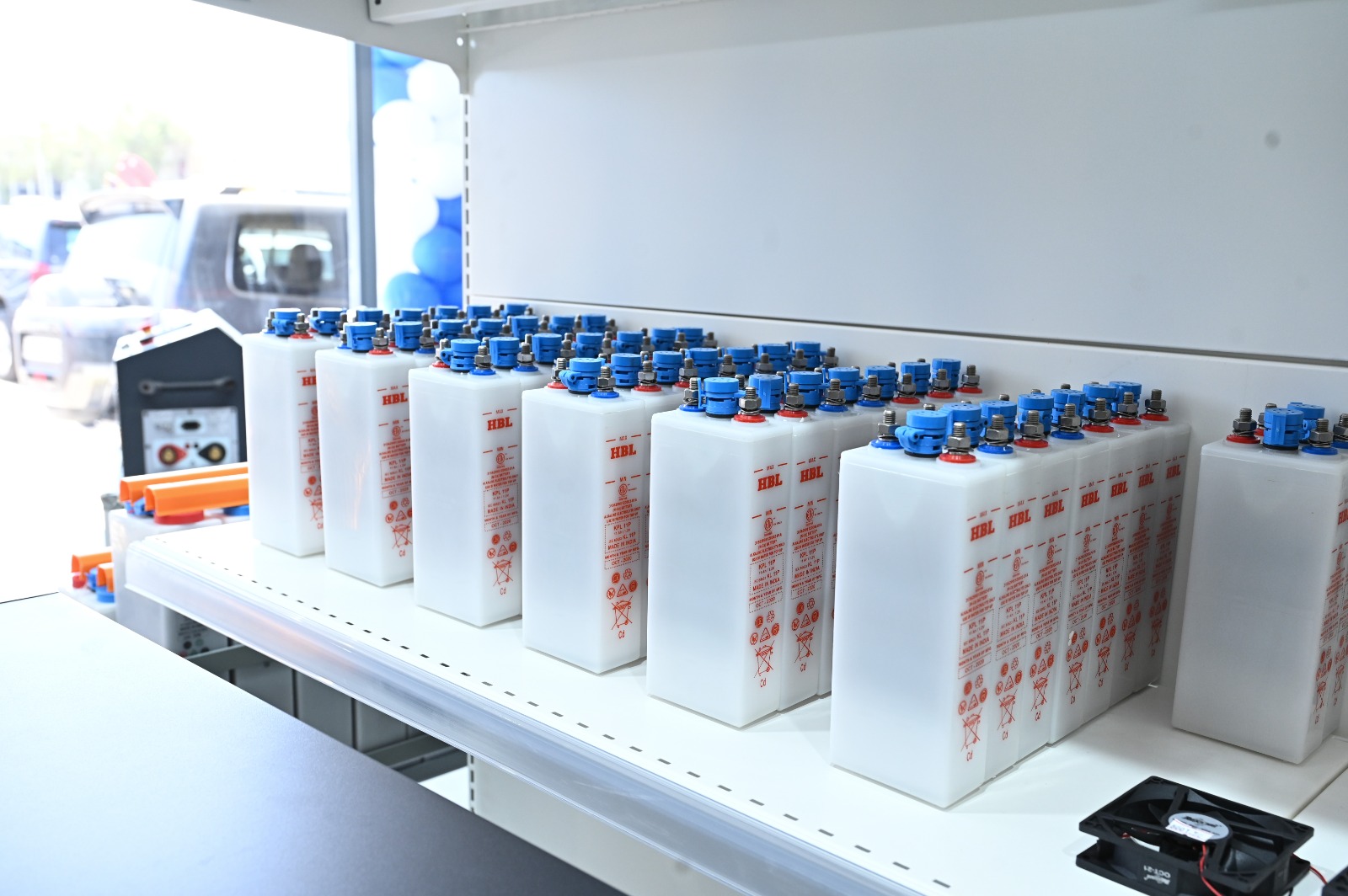
 HBL
HBL
 LIVOLTEK
 Global Batteries
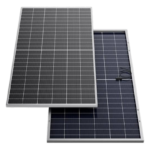
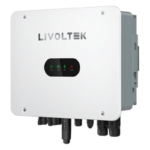 Solar Inverters
 Hybrid
 off Grid
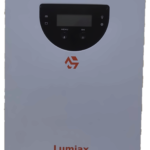 Charge Controllers
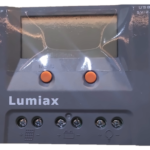 PWM
PWM
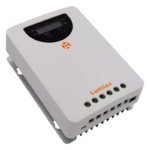 MPPT
MPPT
 Hitek
Hitek
 Euronet
 Lumiax
 Morning Star
 Livoltek
 Power & Protection
 Battery Chargers
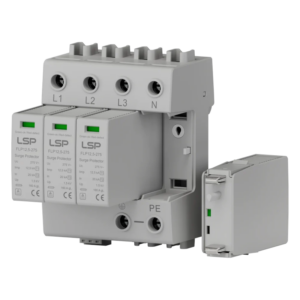
 Surge Protection & AVR
 Extended Run-time Packs
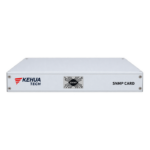 Network & Monitoring Cards
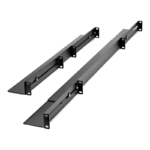 Mounting & Enclosures
 DC Load Banks
 Hillstone-UK
 HEBEI
HEBEI
 HEBEI
HEBEI
 Battery Chargers
 LEVER-ITALY
 AC UPS
 EATON
EATON




Testing and Commisioing

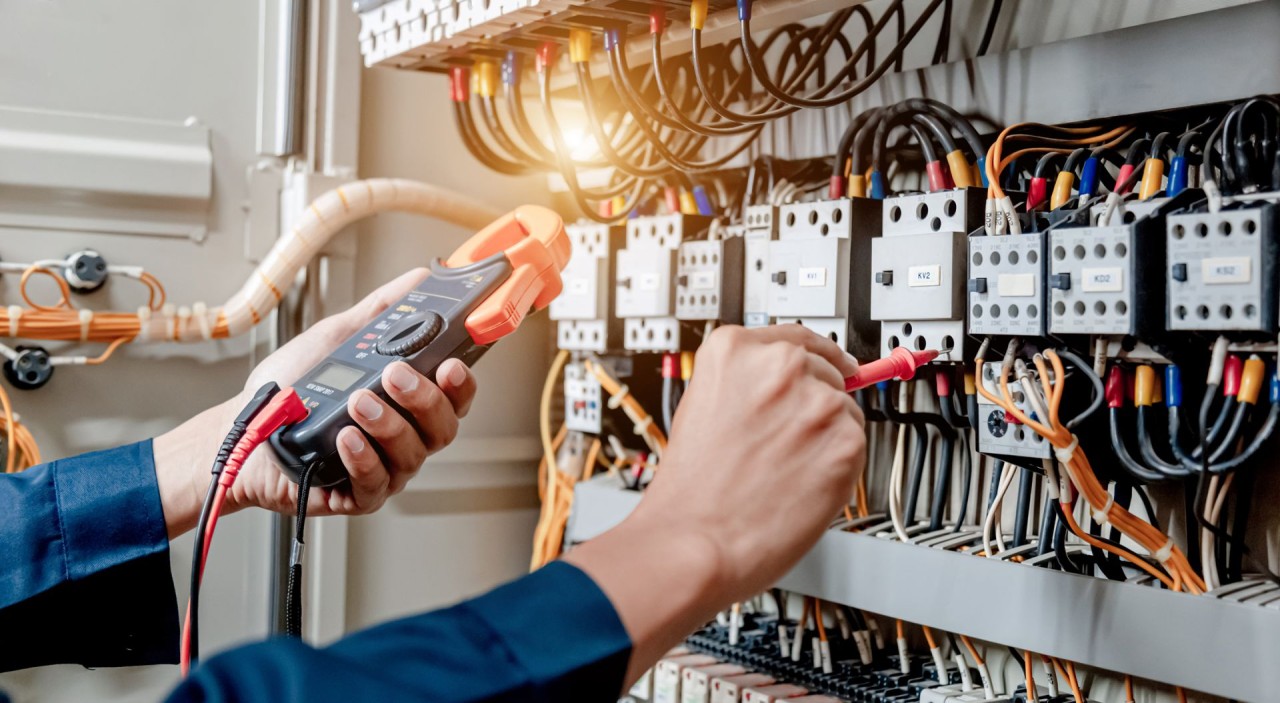
An installed system and a commissioned system look identical. The panels are on the roof, the inverter is on the wall, the lights come on. The difference is that one has been proven to be safe and to perform as designed, and the other hasn't.
Key points
- Installation puts the equipment in place; commissioning proves it works
- Many serious faults are invisible until they're measured
- You should receive a written report with actual test results
Installation versus commissioning
Installation is the physical work: mounting, cabling, connecting. Commissioning is the structured set of tests and checks carried out afterwards, before the system is handed over. It confirms that every connection is correct, every protective device works, and the system delivers what it was designed to deliver.
On large industrial projects, commissioning is never optional. On homes and small businesses it's often skipped, because a system that switches on looks like a system that works.
Why it matters: faults you can't see
Most of the faults commissioning catches give no warning at all:
- A loose battery terminal that looks tight but runs hot under load, and slowly degrades the connection
- A solar string wired with reversed polarity, which can damage the inverter the first time it's connected
- Damaged cable insulation from installation, creating a hidden earth fault
- One weak battery in a bank, dragging the whole bank down and shortening its life
- A UPS that has never actually transferred to battery, so nobody knows whether it will
Every one of these looks fine on day one. Some cause gradual damage, some cause sudden failure, and some create a fire risk.
What gets tested
The exact tests depend on the system, but these are the core checks:
| System | Typical tests |
|---|---|
| Solar PV | Protective earth continuity, string polarity, open-circuit voltage, short-circuit current, insulation resistance, and inverter start-up and settings — the checks set out in IEC 62446 |
| Battery banks | Individual block voltages, connection torque, internal resistance, and capacity testing against a known load, following practices such as IEEE 1188 for sealed lead-acid batteries |
| UPS systems | Input and output checks, transfer to battery and back, alarm function, and a runtime test under real load |
| All systems | Thermal imaging of connections under load, verification of breakers and fuses, labelling, and a visual inspection of the installation |
Thermal imaging: the most revealing test
A loose or corroded connection has higher resistance, and higher resistance under current produces heat. A thermal camera shows that heat directly. A connection that looks and feels perfect can show up bright orange on screen, long before it fails. In Kuwait's heat, where equipment already runs warm, it's one of the most valuable checks there is.
What you should receive
A proper commissioning service ends with a written report, not a verbal "all good". It should include the actual measured values, not just ticks, along with the equipment serial numbers, the settings programmed into the inverter or UPS, and the engineer's name and signature.
That report does real work later. It gives you a baseline to compare against in future maintenance checks, it supports warranty claims, and it's often what insurers and building managers ask for.
Systems not installed by us
Commissioning isn't only for new installations. If you have an existing solar system that underperforms, a battery bank that seems to lose capacity quickly, or a UPS that's never been tested, the same tests will tell you exactly what's wrong and what needs fixing.
Get your system tested properly. WarbaElectric's engineers test and commission solar, battery and UPS systems, including systems installed by others, and provide a full written report with measured results.